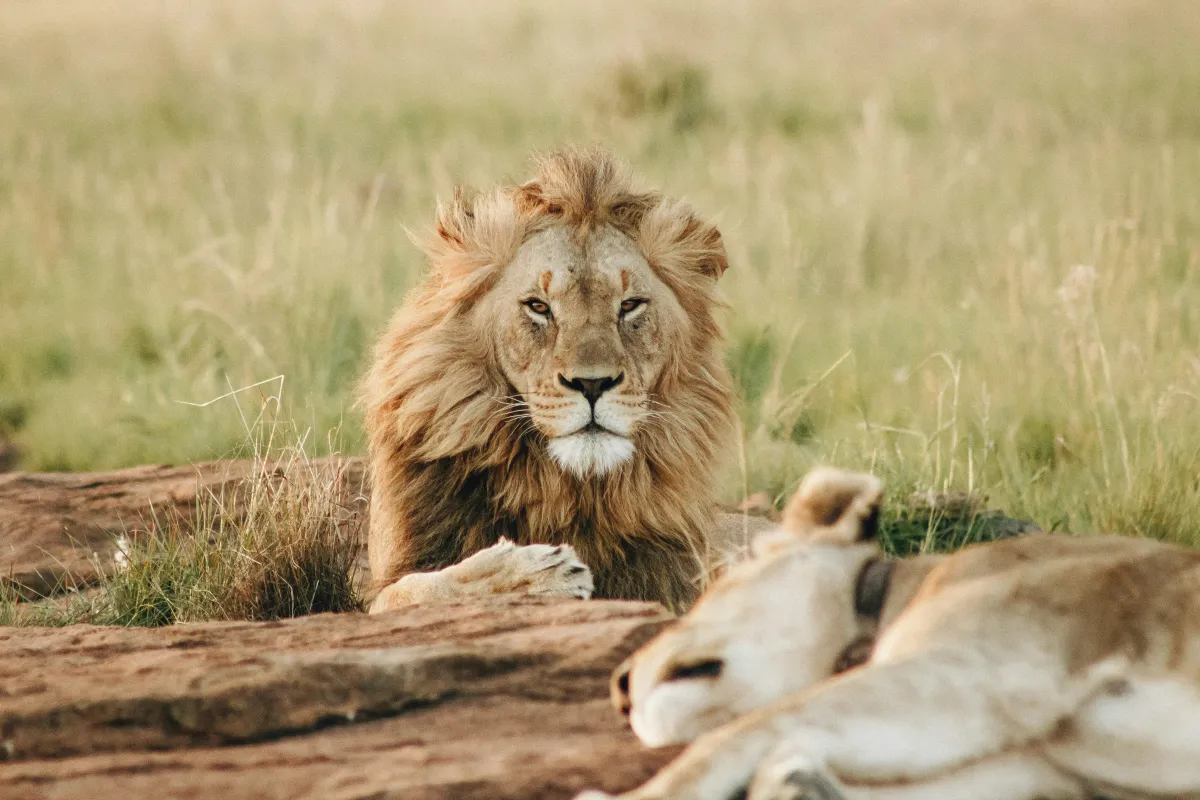
Five question to ask before you book an ethical safari
Five questions to ask before you book an ethical safari
Going on safari is one of the most amazing experiences I think anyone can have. You're treated to an up-close look at wild animals being wild. Add to the mix a luxury lodge where you feel like you're enveloped in an entirely surreal universe (because you are), and it's easy to get swept into it all.
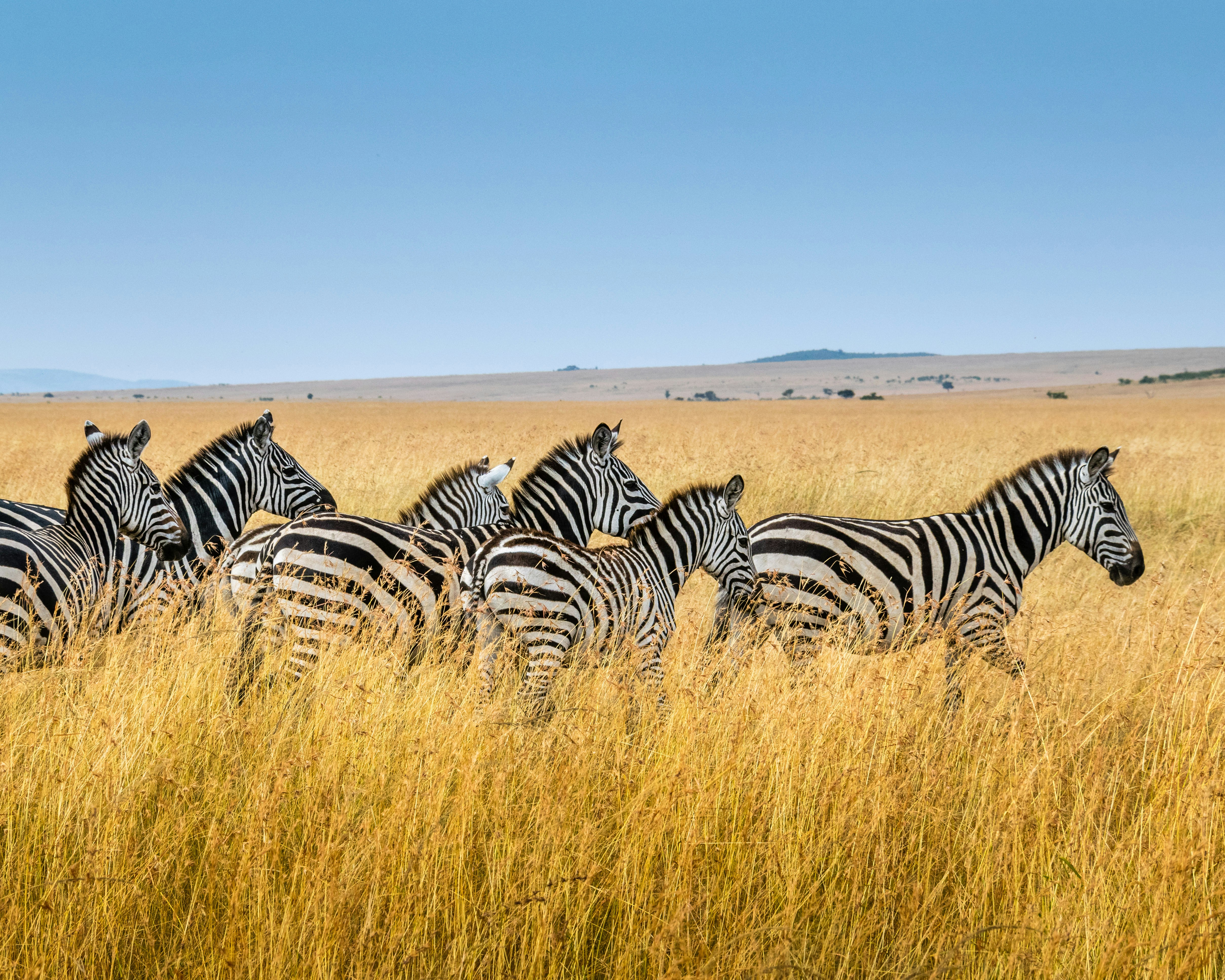
But, there's a darker side to safari that can often go missed. Maybe it's because people don't care to know the realities. Or, maybe they do know, but it's simply easier to ignore it.
The truth is, not every safari is created equally. And, not every safari does good for the animals or the people it employs. In fact, some safari experiences directly support horrific things like canned hunting, or seriously impede on animals ability to be wild (which is the whole freaking point of going on safari, right?).
If you're here at Altered Atlas, chances are you care about where your money goes, and the idea of canned hunting or participating in animal exploitation makes you feel icky.
After working in animal conservation in the 2010s, I can tell you one thing for certain -- most people don't know any better when it comes to booking things like this. My hope is once they do know better, they take that information and become better.
If you're looking at booking a luxury safari and want to be sure that it's ethical and isn't causing harm to animals, the environment or people, these are the questions to ask.
How do people engage with the animals?
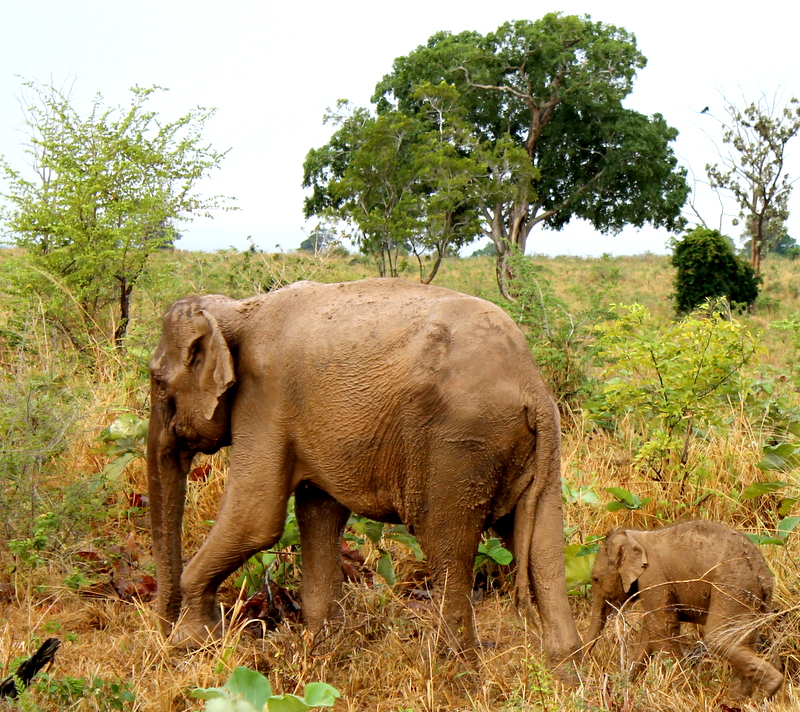
The correct answer you're looking for is: they don't. Nada.
Wild animals are meant to be wild and when a human engages with them, it can be dangerous for both the person and the animal. The key to ethical and responsible wildlife tourism is to simply observe.
Any outfit offering touching, feeding, walking with the animals, are not ones you should be supporting. Sadly, some of these places are incredibly famous for the photo opps and virality they offer.
To really bring this point home -- because I know a lot of companies like to greenwash this and say it is part of education or conservation -- let's break this down.
First, the concerns with the animals.
When they are made to engage with humans, it often involves some sort of change to their behavior like having to be close to us which makes them stressed. Add to it that they are being handled and other traumas they have had to endure to get to the point where they are walking with us is unethical, no matter how anyone slices and dices it.
Then, there's the suppression of their instincts. I saw it when I was working in responsible tourism with elephants. They're forced to change how they would behave in nature in order to perform (which I'm using broadly to mean everything from eating from our hands to walking with us). It's not natural behavior and removes their freedom to be wild animals.
Finally, there's the commercial exploitation of all of this. Sadly, programs that rely on human engagement means they are creating a cycle of breeding or buying babies to keep tourists interested because adult animals are more unpredictable and harder to manage.
Now, let's look at it from the safety and conservation angles.
Of course, there's the physical danger. It doesn't matter if a cheetah has walked next to a million people, or an elephant has taken hundreds of watermelons from visitor's hands. There's always a risk because you can't take the wild out of a wild animal. End of story. Animals have instincts and those don't go away. When you're up-close with an animal, you're putting yourself and their handlers at risk.
The illegal and exotic wildlife trade is another unfortunate repercussion of experiences like these. The more people see animals as commodities and wanting to be near them, the more demand there is for these animals.
Looking at it from a conservation side, the real conservation is happening at places where they're not only making sure wildlife stay wild, they're also preserving the natural habitat.
An ethical safari does not allow any animal interaction. Ever.
What are your rules around sightings?
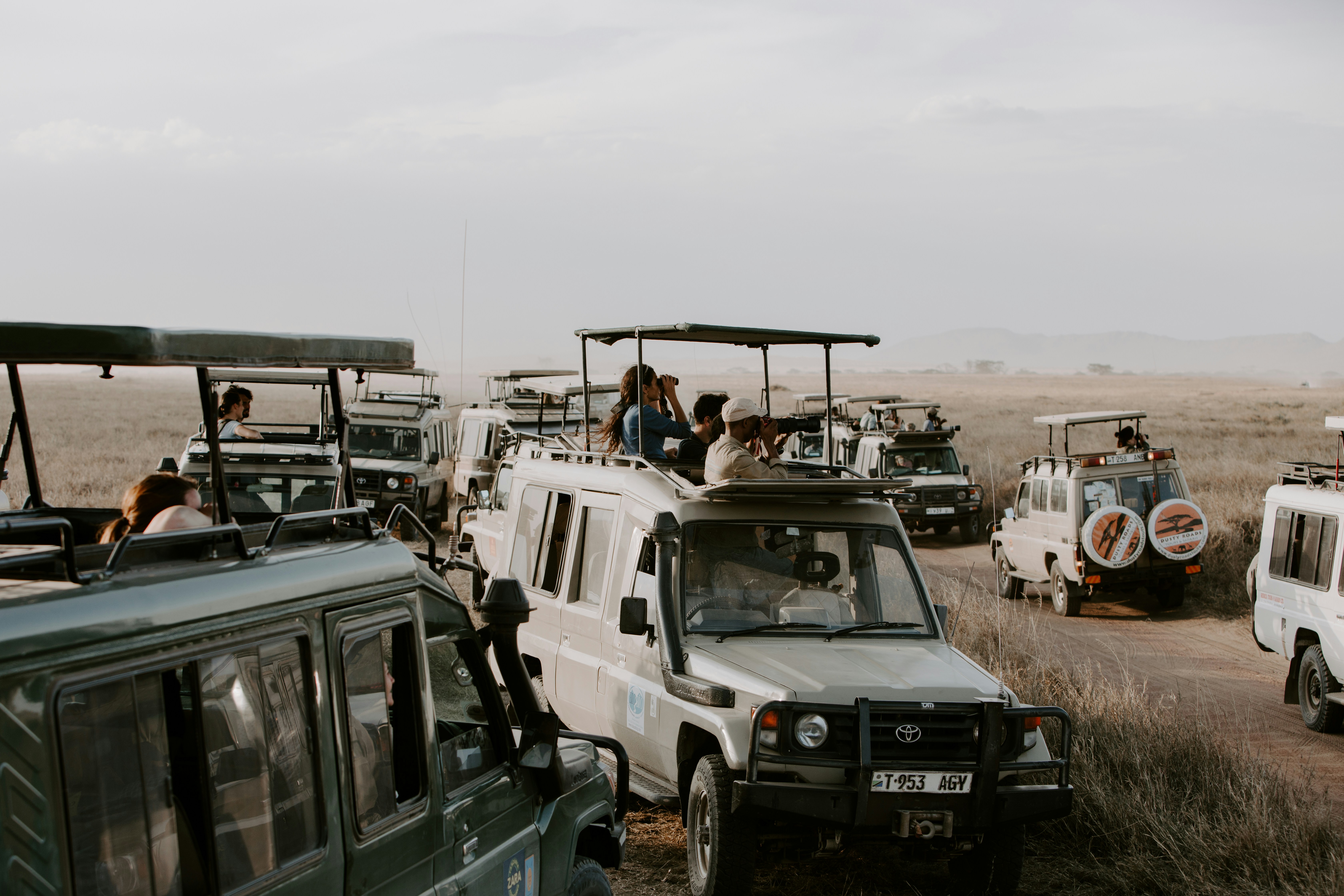
I'll never forget my first safari. It was in Sri Lanka and it was a small group of us from the sanctuary researching the human elephant conflict in the country.. We could hear the elephants rumbling through thick forest before they came thundering out into the barren land where we were parked. Then, vehicle after vehicle came around and within minutes, the number of them were in the double digits.
Allowing vehicles like is harms not only the animals, but also the fragile flora and fauna.
Vehicles need to be limited for numerous reasons including interfering with animals hunts and mating, as well as changing their behaviors. Last time I went on safari, my guide and I chatted about the transition to electronic vehicles. While there are benefits, he was concerned because the loud engines didn't bother the animals. If suddenly silent vehicles appeared, he was worried it could scare them or change their behaviors.
There's also the stress of numerous vehiciles. When at a sighting, the engines should be turned off. The people observing should be silent.
Guides should also never chase the animals.
An ethical safari limits the number of vehicles at a sighting and has rules regarding observation.
What are the rules around night drives and off-roading?
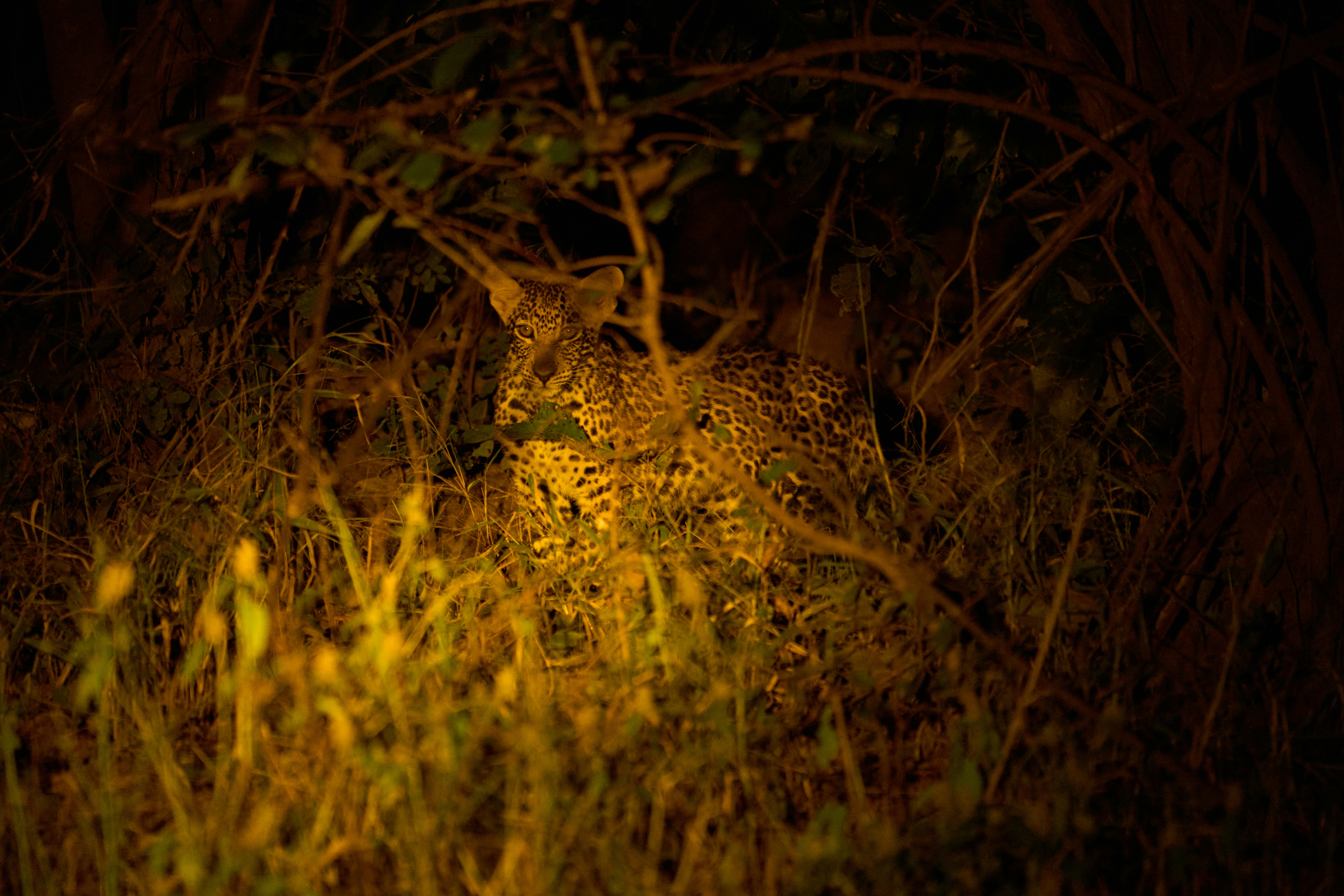
I dream of going on a night drive. The closest I've been is post-sunset and pre-sunrise. The darkness was short lived, but the nighttime is when the action really gets going ... from the ground up.
Ethical operators should not use bright lights or point any lights in animals eyes, which can blind nocturnal animals and leave them vulnerable to predators. Instead, spotlights should have red filters on them. In addition, cameras should never use flash. It can cause panic with the animals and put you and them in dangerous situations.
At night, off-roading should not be allowed because of the destruction it can cause to micro-habitats. The ground is alive with so many insects and small animals.
An ethical safari has the best interest of the animals and habitat in mind at night and limits light, engines, and prohibits off-roading.
What percentage of money goes towards conservation?
It's easy to write copy on a website that tells visitors a place supports conservation. But, unless there's proof to back it up, it is meaningless. You want to know specifically how much of your dollars go towards conservation. For example, at Shamwari, the reserve I put on my bookable itineraries and take people with on my tours, there's a mandatory conservation levy tacked on to every night you spend there.
An ethical safari includes funding conservation.
Where do the conservation funds go?
The levy at Shamwari goes towards their wildlife rehab program, which includes rescue operations, food and veterinary medicines. It also funds ecological management and scientific monitoring of it's fauna. Finally, money goes towards anti-poaching and protection. They've got a whole unit complete with high-tech security anti-poaching patrols and important tracking tech. It's all documented on their website.
An ethical safari provides for easily traceable and verified paths to the funds.
Part two
Stay tuned. Part two is next that deals with community, labor, and sustainability.